Expert Roofer Delivering Quality Roofing Services
Appointing a qualified roofing professional constitutes a strategic decision for property dwellers after superior roof services. These experts not only guarantee compliance with local building codes but also offer access to top-tier materials. Their ability to identify and address foreseeable concerns promptly can economize significant time and money. Recognizing the various roofing options available and their benefits can augment this initiative. What points should property owners consider when appointing the right professional for their circumstances?
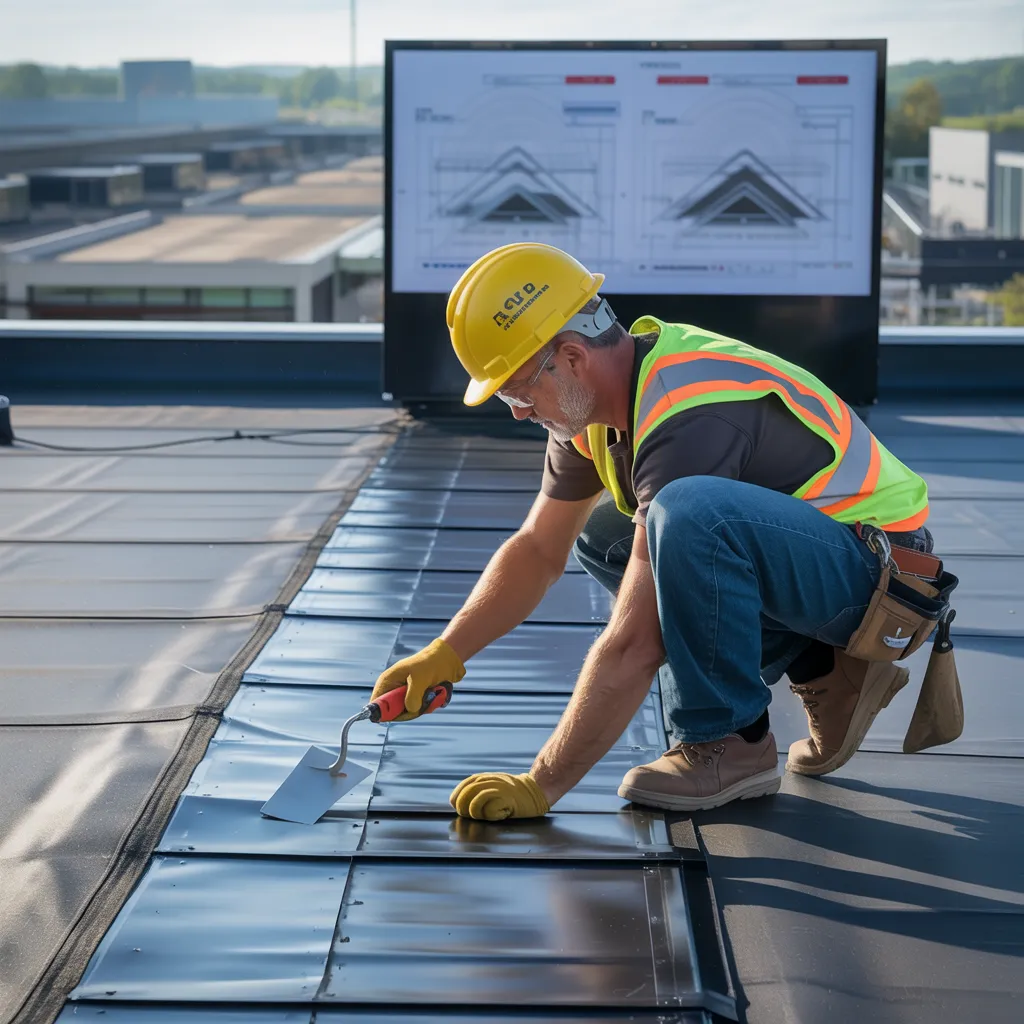
Reasons to Hire a Professional Roofer
When contemplating a roofing project, enlisting a professional roofer ensures both workmanship and protection. Professional roofers possess the required training and competency to tackle various roof difficulties efficiently. Their experience allows them to recognize latent problems in advance of they escalate, ensuring sustained longevity. In addition, they are knowledgeable in neighborhood construction codes and regulations, which reduces the potential of legal complications.
In addition, expert roof contractors have access to high-quality supplies that may not be available to the typical property owner, improving the general performance of the roof structure. They also provide warranties that can give assurance and confidence, safeguarding the financial stake made in the roof work. Crucially, protection is paramount; professional roofers are equipped with the right tools and protective wear to execute their work without risking injury. To wrap up, retaining a professional roofer is a sensible selection for reaching a reliable and safe roofing solution.
A Complete Guide to Common Roofing Materials and Their Advantages
A wide selection of roofing materials exist, each delivering distinct benefits suited to multiple needs and preferences. Asphalt shingles rank among the most common because of their low cost, straightforward installation, and variety of colors. Metal roofing, celebrated for its longevity and defense against extreme weather, also reflects heat, rendering it energy-efficient. Slate tiles deliver a timeless visual appeal and remarkable longevity, while clay tiles supply excellent insulation and can withstand harsh climates.
For those looking for sustainable options, rubber roofing is gaining momentum; it echoes the appearance of pricier goods and is produced from recycled materials. Wood shake roofing supply a genuine, rustic look but need more upkeep. Lastly, synthetic roofing materials combine the superior aspects of traditional materials, providing flexibility and toughness. Each material brings singular benefits, making it imperative for homeowners to review their goals and reach out to experts when selecting the optimal roof option.
Typical Roofing Concerns and the Way Professionals Resolve Them
Frequent roofing problems, such as leaks and water damage, can lead to substantial structural problems if not handled promptly. Additionally, absent or deteriorated shingles compromise the roof's integrity and subject the home to further risks. Professionals employ various techniques to identify and resolve these concerns, ensuring long-lasting protection and reassurance for homeowners.
Drips and Water Damage
Leaks and water damage cause considerable hurdles for homeowners, frequently resulting in expensive repairs and foundational problems. These troubles usually come from a wide range of sources, including worn-out materials, faulty installation, or even harsh climate conditions. Water intrusion can undermine insulation, foster mold development, and reduce structural soundness. Expert roofers leverage cutting-edge techniques to find and resolve leaks with efficiency. They execute detailed inspections to identify problem areas, deploying tools such as moisture meters and infrared cameras. Once detected, they deploy specialized treatments, which may include sealing, flashing replacement, or, in severe cases, partial roof replacement. By resolving leaks in a timely manner, professionals support homeowners minimize damage, guaranteeing enduring security and peace of mind.
Missing or Compromised Shingles
Roofing difficulties often show up through missing or damaged shingles, which can undermine a home's protective barrier. These defects leave the foundational framework to environmental factors, possibly causing leaks and further deterioration. Professionals generally conduct thorough inspections to determine the severity of the problem. They may recommend substituting single shingles or whole areas, based on the intensity. Using high-quality materials, skilled professionals guarantee proper installation to avoid subsequent problems. Additionally, they assess the roof's general state to address any foundational issues, such as poor ventilation or structural deficiencies. Regular maintenance and timely repairs are essential in preserving a roof's integrity, ultimately safeguarding the home from water penetration and other natural dangers.
Choosing the Top Roof Type for Your Home
When choosing the best roofing choice for a home, it is essential to assess your specific roofing requirements first. Comprehending the range of material options available and their individual prices can significantly influence the selection process. Financial planning also play a vital role in ensuring that the chosen solution meets both visual and practical requirements.
Determining Your Roof Necessities
How does one decide on the most fitting roofing alternative for their home? Assessing roofing needs begins with analyzing the home's structure and local climate. Homeowners should consider aspects including energy efficiency, durability, and maintenance requirements. A careful inspection of the existing roof can highlight potential issues that may determine the choice of materials. Additionally, monetary restrictions play a crucial role; evaluating the long-term outlays versus starting expense is essential. Consulting with a professional roofer can provide key recommendations and suggestions tailored to particular demands. Ultimately, the decision should combine aesthetic preferences with functional requirements, making sure the selected roofing option enhances the home’s value while providing durable defense.
Material Types Breakdown
Identifying the suitable roofing materials is a important aspect in the entire roofing process. Homeowners need to review several options, each presenting distinct benefits and drawbacks. Asphalt shingles are preferred for their affordability and simple installation, while metal roofing ensures resilience and energy conservation. Clay and concrete tiles present a beautiful, lasting solution, well-suited for warm climates. Wood shakes offer a classic appearance but require greater maintenance. Synthetic materials, like rubber or plastic, mirror conventional styles while guaranteeing improved longevity. Moreover, environmental responsibility may push some homeowners to look into green alternatives including green roofs or reclaimed materials. At the end of the day, selecting the most suitable roofing material is determined by the home's design, climate, and personal priorities.
Budget Considerations Explained
Planning a budget for a roofing project usually needs careful evaluation of several factors to guarantee homeowners pick the most suitable option for their needs. First, the selection of materials strongly affects both initial cost and the durability over time. Asphalt shingles are often budget-friendly, while metal or tile options may offer greater longevity but usually come at a higher cost. In addition, labor costs can differ based on the roofing contractor’s expertise and the project's complexity. Homeowners should also take into account potential hidden expenses, such as structural repairs or necessary permits. Lastly, considering long-term savings from energy efficiency and warranties will help in making an informed decision that balances upfront investment with future benefits.
What to Expect From the Roofing Process
Learning about the roofing process can substantially benefit a property owner's experience during a roof work project. To begin, property owners should expect a detailed inspection of the existing roof to establish its condition and the needed fixes or new installations. Once the inspection, a detailed estimate will present the extent of services, materials, and timeline.
Once the project commences, homeowners can anticipate an well-structured arrangement with safety precautions in place to safeguard their property. The roofing crew will strip away old materials, inspect the underlying structure, and install new roofing systems according to industry standards. Dialogue is vital, as homeowners should expect progress reports on advancement and any unforeseen issues.
Finally, the project finishes with a comprehensive inspection to ensure excellence and compliance to specifications. Property owners should also obtain maintenance advice to extend the lifespan of their newly installed roof, emphasizing the significance of understanding the complete roof installation procedure.
The Significance of Frequent Roof Inspections
Although many property owners may neglect roof maintenance, regular inspections are vital for protecting the structural condition and durability of a roof. These inspections help identify small problems before they transform into costly repairs. By spotting problems such as leaks, loose shingles, or moss growth early, homeowners can save both time and money.
Moreover, frequent inspections guarantee that the roof adheres to local building codes and regulations, which can prevent future complications during property transactions. Seasonal changes can strain roofing materials, making it essential to assess wear and tear.
In addition, a adequately maintained roof enriches the overall aesthetic appeal of a home and strengthens its market value. Investing in regular check-ups not only supports the structural integrity of the property but also furnishes tranquility for homeowners. Ultimately, stressing roof inspections is a preventive strategy to home maintenance that pays dividends in the long run.
Finding and Engaging a Qualified Roofer in Your Area
Upon appreciating the importance of regular roof check-ups, homeowners frequently pursue skilled professionals for maintenance and repairs. Identifying a qualified roofer in their area can prove challenging; however, a few vital tips can ease the process.
First, homeowners should request referrals from friends, family, or neighbors who have just completed roof work done. Online reviews and ratings on sites such as Google and Yelp can also provide valuable insights into a roofer's reputation.
After a group of potential applicants is gathered, homeowners should verify credentials, including licenses and protection. Obtaining multiple quotes lets them to evaluate pricing and services delivered.
Also, asking about warranties and guarantees can help guarantee enduring performance. By adhering to these guidelines, property owners can securely engage a professional roofer who meets their specific needs, ensuring their roofs stay in peak condition for years to come.
Frequently Asked Questions
What Credentials Should I Look for in a Skilled Roofer?
When searching for a skilled roofing contractor, one should emphasize credentials such as proper licensing, adequate insurance, substantial expertise, favorable client feedback, and adherence to industry standards. These factors guarantee reliable workmanship and protection against potential liabilities.
How much time Should You Anticipate for a Regular Roofing Project to be finished?
A regular roofing job typically takes between one to check now three days, subject to the size and intricacy of the roof, climate factors, and the crew's efficiency. More substantial or more complicated roofs may demand additional time.
Can Roofing Coverage Plans Be Transferred When I Dispose of My Home?
Roofing warranties are often transferrable, but particular requirements apply. Property owners should examine the guarantee paperwork for information on transfer eligibility, as some producers demand notice and may have time limits for the transfer process.
What Should I Do if I Suspect Roof Impairment After a Storm?
If roof damage is suspected after a storm, the homeowner should inspect the roof for noticeable damage, note any damage, and consult a specialist for an review to establish necessary repairs and prevent further complications.
How Can I Maintain My Roof Between Professional Inspections?
Regularly inspect the roof for debris, look for damaged shingles, and clean gutters to avoid water buildup. Fix small issues quickly and watch for signs of leaks or wear between professional inspections.